
Human Tendencies in Nido and the Connections to the Horme, Mneme, and Nebulae
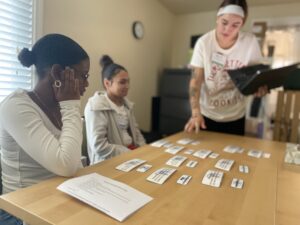
During Staff Development Day, Ms. Sofia led our infant team through a workshop on the Human Tendencies and how they appear in the youngest child. She also connected these tendencies to Montessori’s earliest forces of development of the horme, mneme, and nebulae offering a deeper look at what truly guides infants from within.
The Infant’s Inner Forces
 Montessori described three subconscious forces in the first sub plane of development:
- Horme: the inner drive that pushes infants to move, explore, and grow.
- Mneme: the mind’s capacity to absorb impressions from people, routines, and the environment.
- Nebulae: the developing centers of potential such communication, movement, order that unfold through experience.
These forces align beautifully with the Human Tendencies we see daily in Nido.
How Tendencies Show Up in the Infants
Sofia shared how each tendency is already alive in the youngest children: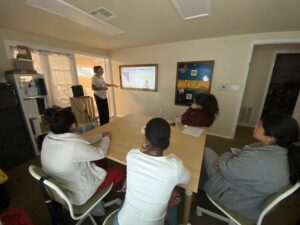
- Exploration: turning toward sounds, reaching for textures.
- Orientation & Order: recognizing routines and predictability in us as guides.
- Communication: coos, gestures, eye contact, emotional expression.
- Manipulation: grasping, mouthing, releasing objects.
- Repetition & Self-Perfection: practicing movements until mastery.
The Guide’s Role
Teachers reflected on how the environment either supports or hinders these powerful internal drives. Consistent routines, freedom of movement, simple materials, and calm, responsive caregiving allow the infant’s horme and tendencies to unfold naturally.
 Sofia’s workshop expands our MSOSV wide understanding that infancy is a period of intense, unconscious construction. When we honor the child’s human tendencies and inner forces, we support the MSOSV mission of helping each child build a strong foundation for all future development.