
MSOSV Parenting Laugh Track: What, No iPad? Part 3 – How to Handle Playdates, Car Rides, Restaurants, and Rainy Days Without Reaching for the Tablet
A blog by Colleen Noll
Hey Parents,
Let’s talk about the real-life moments when the tablet feels like the easiest (and sometimes only) solution.
- Playdates
- Car rides
- Restaurants
- Rainy days
These are the situations where even the most intentional parents start eyeing the glowing screen like it’s a life raft. I’ve been there. And while our MPO6 kids grew up before tablets were a constant option for little ones, we still had to figure out how to get through long drives, restaurant waits, and indoor days without turning every quiet moment into screen time.
Here’s a simple, light-hearted guide for handling these four classic challenges without automatically reaching for the tablet.
- Playdates
The goal of a playdate is connection and play, not parallel screen time.Try this instead:
– Set the expectation before friends arrive: “Today we’re playing with toys and outside. Tablets stay put away.”
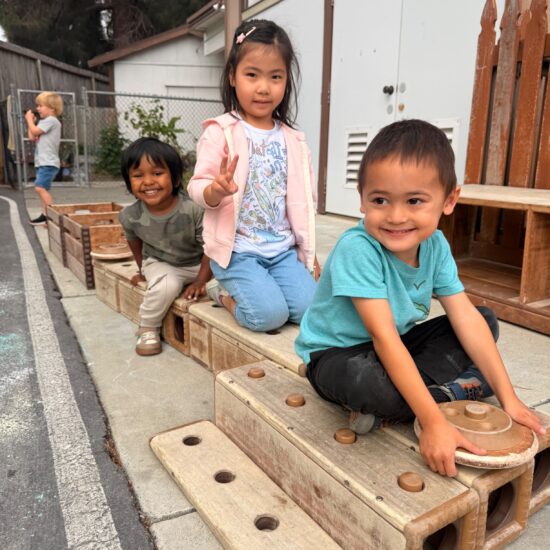
– Have a few open-ended toys ready (blocks, dress-up clothes, art supplies, a big cardboard box).
– If things start to unravel, step in with a simple activity rather than a screen. A quick snack, a dance party, or “Let’s build a fort!” usually resets the energy.
– For shorter playdates, outdoor time first works wonders.Kids often rise to the occasion when the default is play instead of devices.
- Car Rides
This is usually the first place parents cave, and for good reason. A restless child in a moving vehicle is no joke.Screen-free ideas that actually work:
– Keep a small “car bag” with rotating special items (stickers, small toys, a favorite book, coloring pages).
– Play simple audio: music, short stories, or silly call-and-response games.
– Talk. Even young children love answering questions like “What do you see?” or “What should we have for lunch?”
– For longer drives, plan a couple of short stops so everyone can move.The first few car rides without a screen can feel harder. After a week or two of consistency, most kids stop expecting the phone the moment the car starts.
- Restaurants
Waiting for food is prime meltdown territory.Keep it simple:
– Bring a small quiet activity (a few crayons and a notepad, a small toy, or stickers).
– Play “I Spy” or simple conversation games while you wait.
– Let them help with age-appropriate jobs: choosing their drink, placing the napkin, or looking at the menu pictures.
– If the wait is long and energy is fading, a short walk outside (if possible) can help more than a screen.Many restaurants are used to kids. A little preparation goes a long way toward keeping the meal peaceful.
- Rainy Days
Ah, the classic “I’m bored” marathon.Rainy-day survival tips:
– Create a “boredom basket” ahead of time with art supplies, puzzles, books, and building toys.
– Embrace the mess a little; indoor forts, pillow piles, or kitchen “cooking” with food.
– A Sensory Bin goes a long way; tub full of various objects, different textures, add some scoops and small bowls, just find stuff around your home. You will be surprised how long children have fun with this activity. If you are daring, add water!
– Build in movement: dance party, yoga for kids, or a simple obstacle course.
– Lower the pressure. Not every rainy day needs to be filled with structured activities. Some unstructured time is exactly what growing brains need.A little boredom is not an emergency. It’s often the starting point for creativity.
One Big Reminder
You don’t have to handle every single situation perfectly. Some days the tablet will come out, and that’s okay. What matters most is the overall pattern you create.
When children regularly experience playdates, car rides, restaurants, and rainy days without a screen as the automatic solution, they slowly build the muscle of entertaining themselves and engaging with the real world.
And that muscle is worth developing.
You’ve already taken the first steps by setting clearer rules and surviving the early meltdowns. These everyday situations are simply the next practice ground.
Be patient with your kids, and with yourself. Progress is rarely perfect, but it is possible.
You’ve got this.
With practical ideas and plenty of grace,
Colleen Noll
MSOSV Founder & MPO6 mom who still believes a good cardboard box beats a tablet on most days
Next up: Why boredom feels painful at first… and why that’s a good thing. See you soon!